The
mission:
|
Do
your facilities experience costly:
When it comes to the LTHRO behavior, senior management and those at the executive level rarely ever hear the full story. All that information has a filter, be it upward or downward flowing. Its easy to deal with the bad boys that are not popular. They get fired every day. This business is to be dealt with by supervisors, foremen, plant managers and superintendents. That's part of the protocol and structural problem as it relates to appropriate identification and resolution of the bad operators but the LTHRO gets missed. Fact is, its the best you have at this point. An Undercover Operator will, over time, significantly reduce injuries, financial losses in the millions on a per employee career lifetime basis for every LTHRO identified and eliminated. These measures will limit law suites as well as protect your industrial sector and image. I am here to produce results for your corporation. There is a disconnect in most industrial work environments that needs to be fixed. Even after all the time, the seminars, financial expense, teachings, safety meetings, HID programs, incident reports, documentation processes, notifications, posters on the wall and reminders about safety, it's amazing how few people can not connect the dots at the operations level so appropriate actions are taken to protect people and profits from one of their own (namely, the LTHRO). The social element is the primary factor and the most difficult to crack. The social element of our humanity is always there. If my job was to be an investigator and transferred around North America every 12 to 24 months during my career, I could have saved employers somewhere between $100 and $600 million dollars in damages during my operating career. That more than justifies any man's job. How many millions of dollars and
how many opportunities have we lost because you don't have someone working undercover for you? I wonder how those at the executive level would respond to knowing all the real details on incidents with outcomes like the ones we read about in industry bulletins that are transmitted though your email every month or the ones that make the international headlines. Would heads role? Me thinks so. How would
you like to have your son's or daughter's Face
Book photos looking like this?
Complements of a LTHRO? 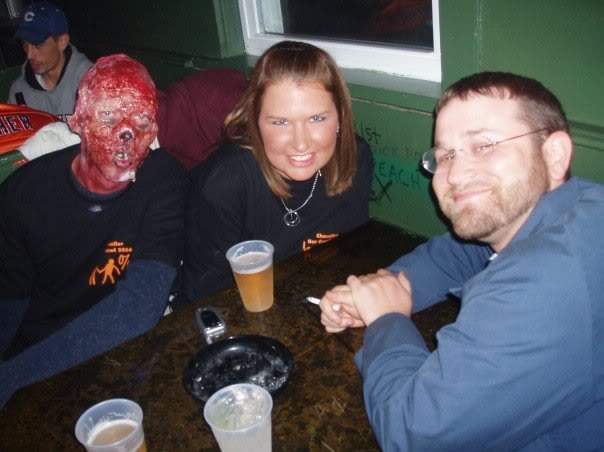 Sure this is staged but, use your imagination. For some people this is their reality. Maybe you'll be lucky and only have half your face burned off. It's all very tragic and very much avoidable. You don't wish for any one's eHarmony profile pic to be like this. 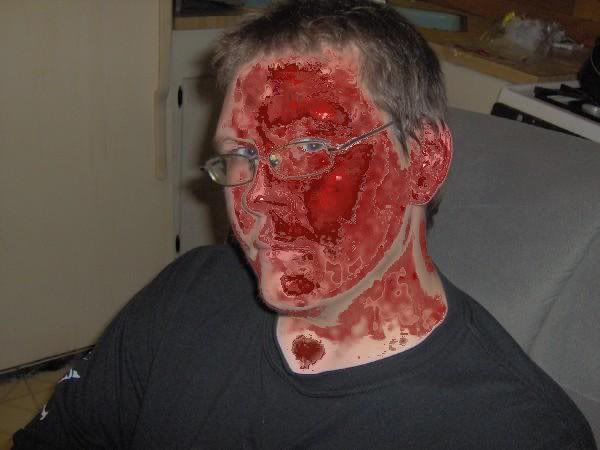 And it's very unfortunate we had to experience numerous fatalities and injuries over many years at one facility and then have this disaster happen before the light finally goes on. Oooops! I guess they are still having news worthy events taking place. Old habits die hard. Clicking on the photo below will bring you to the Chemical Safety Board's video of the Anatomy of a Disaster. 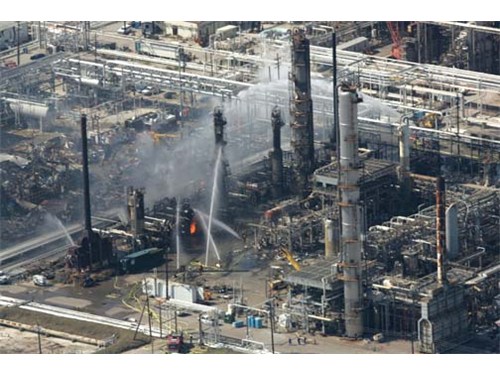 This is nothing new to those who have read the book and or watched the video or have worked in industry for over 30 years. This disaster was preventable on so many levels and should have never happened. Lots of conclusions can be drawn from this particular incident, in particular, how we can become blind to the obvious. Why do we have to wait for this to happen and have regulators step in to manage this part of our business? We absolutely need to avoid this, along with the resulting fatalities and injuries of a single disastrous incident, as well as the billions in lawsuits that come from it. We need to manage our business better than yesterday, every day. Could this be the intersection point of a LTHRO, bad supervision and engineering flaws? The CSB doesn't categorized it as such in their video but when I watch their video or, read the book that's what I get as a component of the total equation. I also recognize the other management and engineering failings that CSB points out. That's how I read between the lines and connect the dots. That's what I see. My point here is the behavior that lead up to this goes on everywhere and is not unique to this plant. I see there is a lot of work still to be done, mostly on human behavior side of industry. Managers can only do so much as the bulk of their talent, energy and resources are consumed in other valued areas of the business other than policing at this level. The evidence is all around us. Middle management and engineering can only be so good at so many things. Most {80% to 98%} of educated, technical, diploma-ed, regulatory body certified operators are hard working, dedicated and diligent. They work with little or no supervision and are not the problem. There are 18% to 10% of those that "may" be high maintenance and then there is the 10% to 2% that can be dangerous, high risk operators flirting with disaster. I believe it is the 10% to 2% of operations personnel that cause the bulk of off specification of product, equipment damage, lost production, fires, explosions and loss of life. Many plant foremen or superintendents experience disbelief and denial that any of their plant operators could possibly betray "them" with dereliction of duties or by short cutting procedure and safety. Few managers, supervisors and few people in general, have the mental acuity or time for dealing with the LTHRO and all the accusations made by them. Its a soap opera they don't need to be a part of. All of the foremen I reported to ended up calling me a trouble maker and saw the reporting of LTHROs as my inability to get along with others. They had a greater loyalty to the LTHRO than they did to a loyal employee, their employer or the safety of other employees or the supervisor reporting. Human behavior is so contradictory and complex. I know why and I know how to fix it. It's a monumental task for a highly educated and trained judge, prosecutor, defense lawyer and twelve jury members with boat loads of evidence with weeks or sometime years of time to get it right with a criminal judgement of a person. How can anyone expect one man behind a desk with paperwork up to the eyeballs and meetings to go to, to take the necessary time to make a quality decision on what has been reported to him about employee wrong doing? When dealing with a skilled LTHRO it is an unrealistic expectation. Too many very competent but over confident managers figure they have the perfect bullshit meter. Sorry. Wrong. Over confidence causes blind spots. If you don't have the equipment or personnel to observe your blind spot you're going to have a collision. It is an inevitability. Fact is, there is no game plan for supervisors to collect, develop and present evidence to support one's findings of employee wrongdoing. Most people lack the critical personality characteristic and acuity factor that allows a person to cut through the complexity of our social conditioning. Supervisors, foreman and managers ARE NOT going to pass on information regarding their inabilities to handle a LTHRO either. That would be career suicide. Senior management are not informed about the LTHRO behaviors and so are left in the dark. It's only the few and rare, multi-talented individuals that can identify and appropriately deal with high risk operators. We are setup to fail. Time to go easy on all of us and send in someone who can deliver the package. Safety education and training are a critical component of positive outcomes. Corporate policies and procedures are significant parts of successful outcomes too but, there are always bad actors in the group that refuse to comply and always cause incidents. Even the best of the best corporations have them embedded in their organizations. It is A PLAN and acuity that delivers the desired results when it comes to ridding an organization of the LTHRO. What are your operators doing when your back is turned?? You may be SHOCKED to know a "small amount" of this behavior goes on all the time and is the least of your problems. 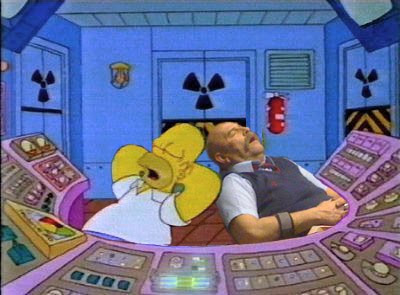 Is it time
to perform a random
spot check to test YOUR team? Every Operator will have a bad day or even a bad month when some or many checks may not get done due to plant upsets or unusual operating circumstances. It's when operators DON'T perform regular walk-arounds on a consistent and personally intentional basis: When they don't perform visual and physical equipment performance inspections, plant effluent checks, regulatory environmental checks, interface levels, calibrations, leak checks, temperatures checks, sight glass checks, vessel levels checks, pressures checks, chemical and hydrocarbon characteristics, water and steam quality characteristics sampling and pH, silica, turbidity, TDS, alkalinity, high hardness, low hardness, low hardness acidified, tannin's lab tests, chemical concentrations lab tests, chemical injection pump draw down rate checks, process fluid quality checks, freeze tests, viscosity, density, RVP, and, and, and..., record fake results in log books, reading sheets and on excel spreadsheets at the end of their shift as being completed and being within parameters, when it is clearly NOT, that significant issues can and DO evolve. I have seen this far to often. It burns me up. This is why I have a knot in my stomach and a mission to complete. It is when operators purposely and consistently, circumvent operating procedures, duties and practices for their convenience that put everything at risk. It is behavior like this and other types of behavior that put people, profits and corporate reputations in peril. These are "just a few" of the "High Risk Operator's" modus aperandi, leaving the door open to failure as well as costly and maybe deadly consequences. Undercover Operator Observations is available to harvest the critical intelligence and evidence necessary for you to determine if there is LTHRO behavior that may, in your opinion, be a contributing factor to past and possible future losses. It has been seen far too often, that the LTHRO is at the intersection point of many things gone bad. The majority of corporations figure they have the situation totally cased and under control. They are always doing many things extremely well in this regard. The skilled LTHRO is an animal most have yet to eliminate from their work environment. It can be just one LTHRO that will destroy an entire operation. More often than not, it is a complex set of conditions and culture that can do the same. Just check out the U.S. Chemical Safety Board website if you need proof. They don't really focus on operator behavior very much in the Texas City video but a keen eye will pick up on the gaps in human behavior and other concerning issues. Watch some of their more famous videos about process facility disasters. What the undercover operator does is monitor, document, photograph, video record ( a series of photos and video have Metadata overlays for precise, credible forensic witnessing ) and create reports on targeted individuals or an entire work group. The report(s) outline the delinquent human behavior that lurk in your organization at the plant operator level. The report may also indicate how the behaviors may contribute to future events as well as have contributed to past events. That is the standard package. Modified versions are available to suite the client. When requested, the undercover operator also documents other factors that may contribute to the high risk behaviors. LTHRO behavior may be causing you losses that could be in the hundreds of thousands or even in the millions of dollars annually and goes on without the LTHRO being correctly identified and resolved. What does the undercover operator do? The formula for superior results is to parachute in an undercover operator (technically qualified third party) who is truly impartial for accurate reporting results. The undercover operator is not socially connected or live within a hundred miles of the plant site so as to limit bias in reporting integrity. No one onsite is informed of the undercover operator's mission ( This includes security, plant manager(s) and or plant superintendent(s) including friends and relatives ). The undercover operator, operates under an innocuous pretense for their personal protection, to preserve the integrity of the observations and to insure no one is alerted to the fact there is an observation in progress. The undercover operator monitors plant operator behavior.
The Plan Step 1: Identify the suspects in a given work unit and start gathering videos, photos and documents demonstrating their High Risk Behavior. Step 2: Once observations are complete { towards the end of the contract period } the undercover operator generates a report(s) in the form of a series of forensic metadata stamped digital video(s), digital photo(s) and word document(s) associated with the LTHRO's behavior. Step 3: At the end of the contract period the forensic laser targeted and infinitely definitive report is transported by the undercover operator observer to the appropriate persons at the head corporate offices. Step 4: The undercover operator will meet with those reviewing the information to guide them through the investigative evidence answer all questions. Step 5: The information contained within the report will be impartially digested by appropriate, select personnel without any influence from local plant contacts. Thus, high quality decisions are made by the right people in the right location with the right information NOT local management. Step 6: Local management will NOT determine disciplinary actions or decide on termination as it is local management that allowed this LTHRO to become malignant in your corporation in the first place. The LTHRO and local management will NOT be given details on why the employee has been disciplined or dismissed {within legal confines}. Sounds simple enough except, when you consider the personality with the level of influence they have and the enabling culture we are dealing with.
Polygraph verification of my findings is available for evidence validation purposes at the client's request. Client may choose the polygraph administrator. I do my best to eliminate the guess work and make the final decisions for your team to be fast and easy. There are three categories of Operator observations available:
Different observation platforms may be available to suite the clients specific needs. 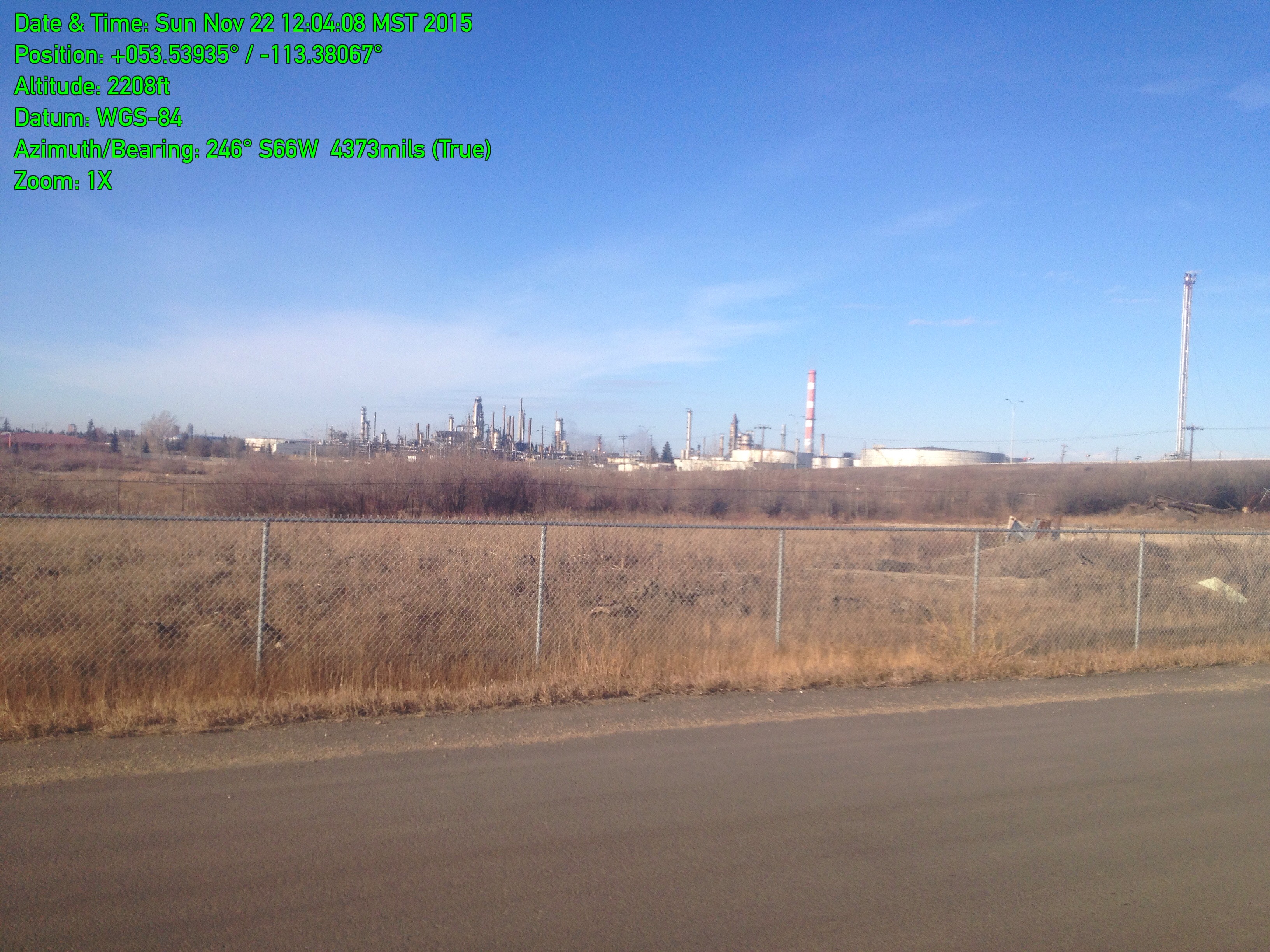
Incidents can go undetected and unrecorded. Other incidents often can be erroneously reported as instrumentation or mechanical failures, etc., etc., etc.,... Want to know why? Feel free to investigate other pertinent parts of the website by clicking on the links at the top or bottom of each page. Confidentiality on the part of both parties is an absolute necessity so the investigation may bear reliable and credible results. Breaching confidentiality will cause the situation to quickly spin out of control, undermine the investigation and the value of all results. Confidentiality assures the undercover operator's safety during and after the investigation. It also preserves the opportunity for the undercover operator to provide future high quality investigations for the same client. Keeping every thing "among the very few" is the direction to take this. I can see this going one of two ways: ONE: Obviously there will be those who will believe this concept is over the top ridiculous. They will think there is no such threat to their facilities and the people that work in them. They may see this as only an inflammatory exaggeration and be deeply offended by this information. They may perceive this concept to be a threat to their corporate reputation and their industry rather than the opportunity that it is to reduce insurance costs, financial losses, equipment damage, the cost of injuries and lives, and, and, and.... I am not here to try to convert those with that mindset. It is not my mission. Don't waist my time. TWO: With some luck and the right mindset, there may be some open minded folks out there that recognize the value and potential benefits. They may see the need for what I propose and make progress with the concept throughout industry so all may make gains on this front. I am hoping for the second to be the case. To my knowledge, I am the only one with my level of experience and qualifications offering this type of in-depth, high caliber, targeted service as an option to industry. You may not agree with any points here. This information and the service available is a result of decades of experiences. It is up to you to make the next move. Available for assignment in Canada, the USA, Britain, Norway, Sweden, Switzerland, Germany and Japan. Contact me using your LinkedIn account or your corporate email. Thank you. I am a certified Second Class Power Engineer with supervisory experience, NOT a private investigator. My responsibilities with safety codes allows me to legally provide this service. Shift engineers do it all the time, just not to this level. |